Getting released or rejected ... is it really that bad?
Learn how to use setbacks to create success.
Being released or not being signed doesn’t hurt because of football. It hurts because of what we think it means.
That feeling sits heavy for a lot of parents. A release. Another trial that goes nowhere. Another year without being picked up.
It’s easy to start worrying about time. About being left behind. About what this says about your child.
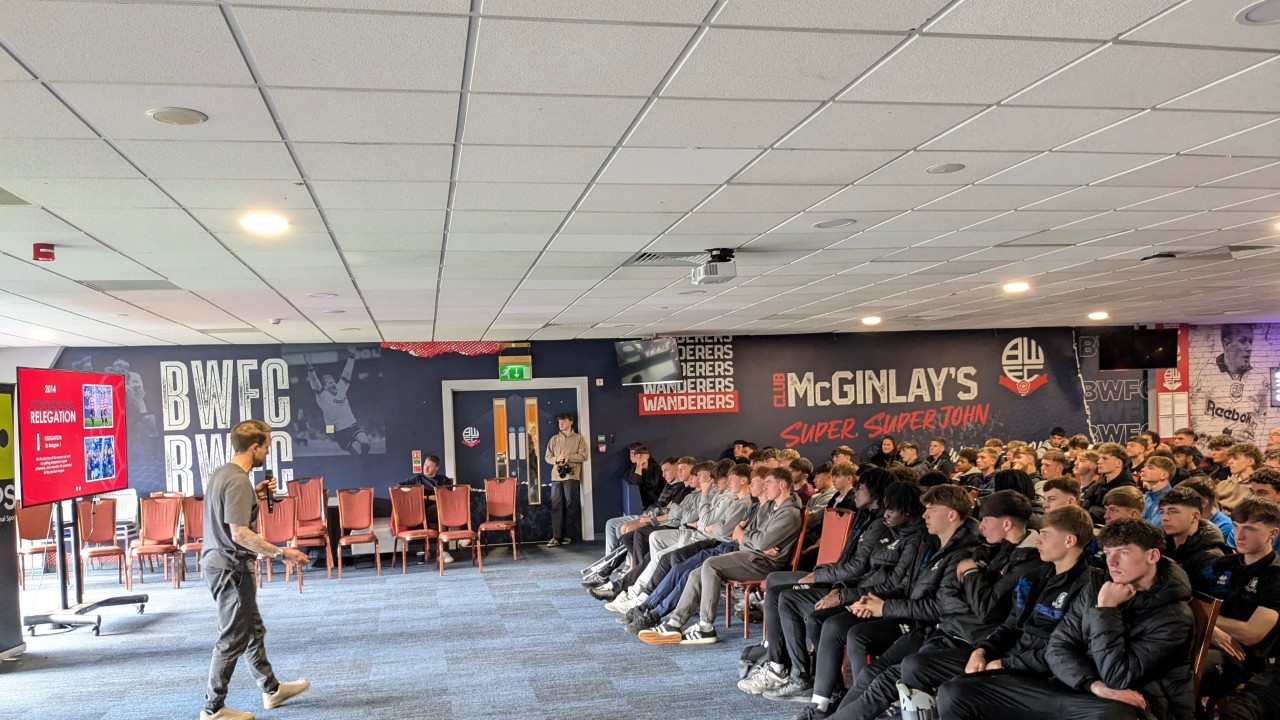
I wasn’t signed by a club as a young player. I went on trial to a number of different clubs and didn’t get signed.
At a few clubs I was told I was too small. I watched others move ahead while I stayed where I was.
My opportunity didn’t come until I was 16.
At the time, it felt like rejection. Looking back, it was just my journey.
That’s something I didn’t understand as a kid, but I do now.
Every journey looks different.
The best player at eight doesn’t automatically become the best at 12. And the best at 12 often isn’t the best at 16, then 18.
Football doesn’t move in straight lines, even though we wish it did.
Being released or not being signed yet doesn’t tell you where a journey will end. It only tells you where it is right now.
What matters most is the meaning attached to it.
Failure is feedback. Disappointment is information.
Nothing more than that.
As a parent, you shape that meaning more than anyone else for your young footballer. Is the way you frame things positive or negative?
The focus always comes back to what can be controlled.
Attitude. Effort. Preparation. The example being set.
Not what other players are doing. Not decisions that can’t be changed. Not opinions that don’t help.
Small improvements, done consistently, build quietly over time. That’s where confidence and enjoyment usually return.
Football development is a long game.
This is why we love supporting footballers and their families with mindset and mentality.
Your mentality shapes your journey, as a player and a parent.
It directly influences how you respond to setbacks, but also how you apply yourself every single day. And that compounds over time.
And that doesn’t just apply to being a professional footballer.
They can take that into school, into college, into their own personal lives.
That way of thinking stays with young people long after football does.
This week, notice the meaning you attach to disappointment. Your young footballer will learn how to see it from you.
And as always, if there's anything we can help with, please get in touch and let's have a chat.




.jpg)