How important is communication for young footballers?
Communication is a skill. And it can be improved every single day.
Over the last few years, I’ve noticed a growing trend in football.
Younger players are coming through with incredible ability. Technically gifted, well coached, and full of potential.
But many of them struggle with one key area: communication.
It’s something I first started to notice as a senior player in the dressing room, and now, as a coach, I see it even more clearly on the training ground.
Players with unbelievable technical and physical ability, but when it comes to expressing themselves, communicating, or even asking questions, they hesitate.
It’s not just a football issue. It’s a wider challenge with young people today.
We live in a world where so much interaction happens through screens, messages, and social media, and less face to face. As a result, confidence in real communication, speaking, listening, reading body language, has dropped.
When I think back to myself at 17, 18, 19 years old, I was exactly the same.
I’d never really thought about my communication skills, and it showed.
I could play. I could train. But when it came to expressing myself clearly, leading others, or managing emotions under pressure, I didn’t have the tools. And nobody was teaching them.
The different ways we communicate
Communication isn’t just what we say. It’s what we show.
There are two main ways every footballer communicates:
Verbal Communication
The words we use. Giving instructions, encouragement, feedback, or showing leadership. It’s how players connect, influence, and build trust on and off the pitch.
Non-Verbal Communication
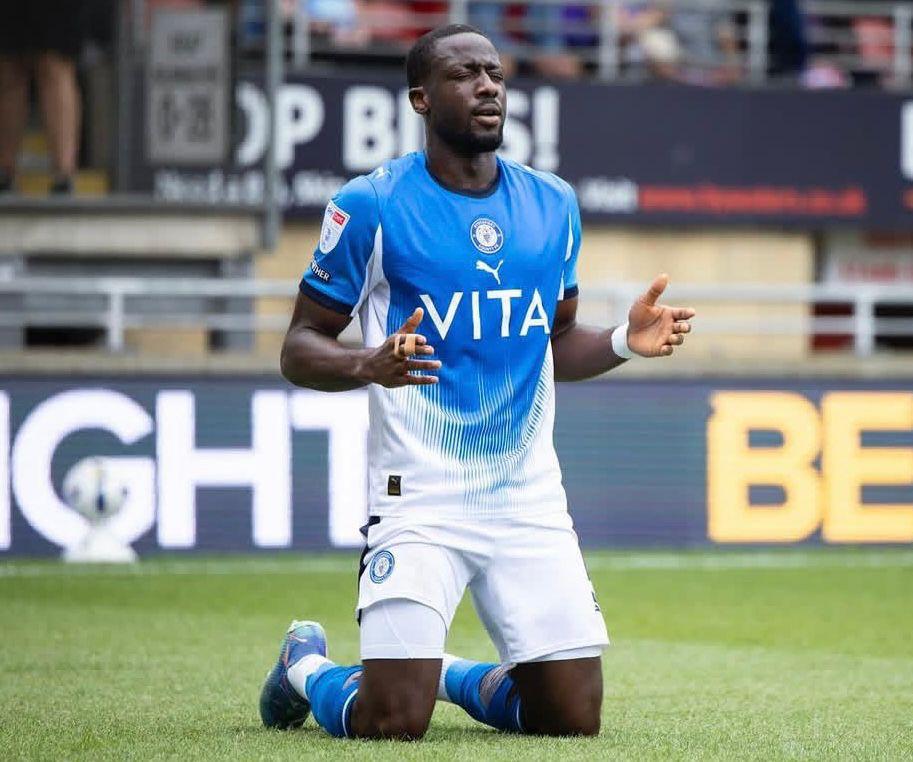
Body language, tone, eye contact, gestures, posture, energy, and how we respond when things go wrong.
Studies suggest that up to 90% of communication is non-verbal.
That means a player’s body language, even when silent, is constantly sending messages to teammates, coaches, and opponents.
A question for parents
How would you describe your child’s body language, on and off the pitch?
And how would you describe your own, stood on the sidelines?
Communication is a skill
At ProMindset, we help players understand how they’re communicating with teammates, coaches, and even fans.
We focus on:
• Learning how to master non-verbal communication
• Developing self-awareness and emotional control
• Knowing how to have difficult conversations
• Building trust and presence through positive communication habits
Through mentorship, we help players connect their mindset to their message, because how you think determines how you communicate, and how you communicate determines how you perform.
When players learn to communicate effectively, everything changes.
They build stronger relationships with teammates and coaches.
They become more confident and respected.
They respond better to feedback and pressure.
And for parents, communication at home becomes calmer, clearer, and more constructive.
Communication isn’t just a football skill. It’s a life skill.
And like every other skill, it can be learned, practised, and improved.
Final thought
Across my 23-year career as a professional footballer, I played for 17 different managers and alongside hundreds of players.
And one thing always stood out:
The players who could communicate had a big advantage.
They weren’t always the most talented, but they understood how to lead, how to listen, and how to connect.
They brought the best out of the people around them, and that’s what took them further.

.jpg)